
Tools
Master all six Island Restoration cleaning tools — Grabber, Power Washer, Shovel, Cutters, Soap, and Recycling — and learn which tool clears which hazard.
Introduction
Every island in Island Restoration is cleaned with the same six-tool kit, and learning what each tool does well is the difference between a relaxed afternoon and a frustrating one. The Grabber reaches out to pick up bottles and cans from a distance, the Power Washer blasts oil and vines off hard surfaces, and the Shovel digs up mud piles that can hide previously missed garbage. The Cutters free distressed animals from string, while a bar of soap washes rescued wildlife clean. Finally, the Recycling tool lets you sort everything you collected into the correct color-coded containers aboard your boat, with a perfect run rewarding careful sorting. Tool upgrades make each of these actions faster and more efficient over time.
Tool & Hazard Matchup Table
| Tool | Cleans | Picked Up | Upgrade Focus |
|---|---|---|---|
| Grabber | Bottles & cans | Distance pickup | Reach & speed |
| Power Washer | Oil & vines | Water tank | Pressure & range |
| Shovel | Mud piles | Shovel swing | Dig speed |
| Cutters | Animal string | Trigger hold | Snip speed |
| Soap | Animal grime | Scrub action | Wash speed |
| Recycling | Sorted litter | Container drop | Sort bonus |
Tool Overview
Grabber
Your first tool and your workhorse: reach out and collect glass, plastic, and cans from a satisfying distance. The distance pickup is what makes the Grabber so satisfying, turning collecting into a fun aiming minigame.
Power Washer
The dramatic star of the show: a high-pressure jet that blasts oil off beaches and strips vines from trees. Mastering pressure control on the Power Washer saves water and makes beach cleanups dramatically faster.
Shovel
Digs up mud piles that can conceal missed garbage, so a clean island needs more than surface washes. Because mud conceals trash, the Shovel is also a secret-hunting tool, not just a digging one.
Cutters
Free distressed animals from string before you wash them — every rescue starts with a careful snip. Cutting string is quick, but spotting the animal first is the real skill; slow down near loud chirps. This fits into the wider tool rotation strategy on any generated island.
Soap
A bar of soap cleans rescued animals top, bottom, and sides, turning a rescue into a proud moment. A complete soap wash is the difference between a rescued animal and a missed opportunity, so scrub fully.
Recycling
Sort your haul in color-coded containers aboard the boat; every correct drop builds toward a Perfect run. Perfect recycling takes planning; sort by material as you collect so the boat phase becomes automatic. This fits into the wider tool rotation strategy on any generated island.
Core Mechanics
Tool upgrades are the quiet backbone of Island Restoration progression. Each tool earns upgrade points through use, and spending those points makes future cleanups faster: the Grabber reaches farther, the Power Washer pushes more pressure, the Shovel digs quicker, and the Cutters and soap work faster on animals. Recycling upgrades multiply your sorting bonus, which makes diligent trash collection more rewarding the longer you play. Because harder biomes demand better tools, the game naturally guides you toward a balanced upgrade strategy — you cannot simply ignore tools and still clear a biome-four island efficiently. Learning which tool to upgrade first is a core part of the upgrades category.
Key Advantages
The tool matchups table is the fastest way to stop guessing on any island. Instead of trying every tool on every hazard, you know in seconds that oil and vines are Power Washer jobs, mud is a Shovel job, string is a Cutters job, and loose litter is a Grabber job. This knowledge directly improves your cleaning speed and your recycling bonus, and it makes the satisfying power-washing moments feel earned rather than accidental. Tool upgrades compound those gains, so a player who invests in the right order saves real time on every subsequent contract. The matchup table also doubles as a shopping list for upgrade priorities, since the tools you use most are the ones worth upgrading first.
Challenges & Weaknesses
No single tool is a Swiss army knife — the game deliberately forces you to rotate through your whole kit, and neglecting any tool slows you down. The Power Washer, in particular, requires water management: running your tank dry mid-island forces an awkward trip back to the boat. Tool upgrade costs scale up, and there is no confirmed way to respec points after launch, so an early misallocation can sting. Beginners who focus only on the Grabber will notice their islands never quite reach perfection. You should still expect an adjustment period when a new biome introduces a hazard combo you have never seen, because density changes how each tool feels.
Frequently Asked Questions
Which tool should I upgrade first?+
Can I run out of water with the Power Washer?+
Do I need every tool on every island?+
Quick Tips
Grab all loose litter before washing anything. It clears your line of sight, fills your recycling bags early, and prevents you from washing dirt onto items you have not picked up yet. The grab-first habit also reduces the risk of washing dirt back onto items you have not collected yet, which keeps your route linear.
Manage your Power Washer tank as a resource. Do a full sweep of every oil stain in one pass, then return top-ups to the boat rather than walking back mid-island with a dry tank. Treating the tank as a resource turns you into a better planner and stops long walks back to the boat with nothing to show.
Practice the recycling mini-game until Perfect becomes routine. Correct sorting multiplies your reward, and the bonus scales with late-game recycling upgrades. Perfect sorting is a skill you can build in minutes and it keeps paying dividends for the rest of your playtime. Small technique changes like this are the main time-savers in the game.
Featured
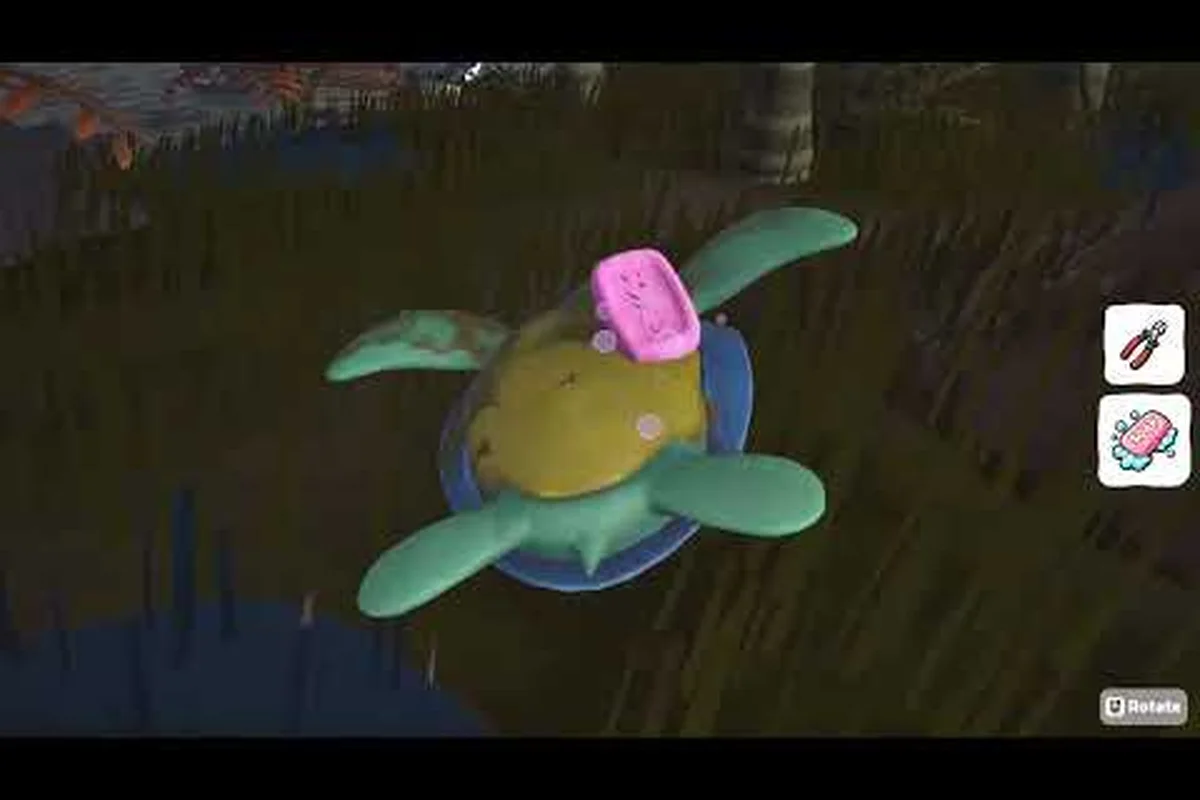
Island Restoration Shovel: Digging, Cutters, Soap & Cans Cleanup
Get the most out of your Island Restoration shovel by learning digging techniques, pairing it with cutters and soap, and clearing every can, bottle, and mess fast.
Island Restoration Tool Mechanics Explained: All 6 Tools
Understand Island Restoration tool mechanics explained in detail, from cleaning speed and satisfying cleanup feel to how every one of the 6 tools works.
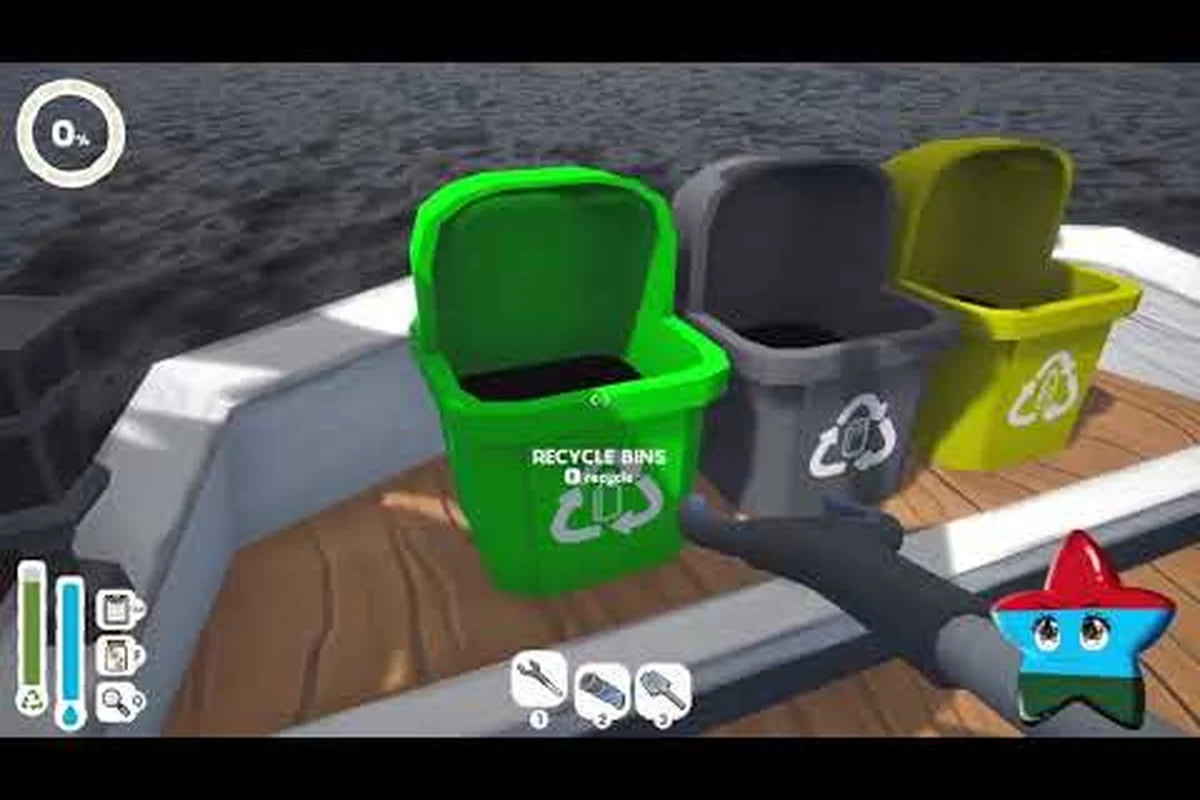
Island Restoration Cleaning Tools: Full Tool List & Best Uses
Pick the right gear with this Island Restoration cleaning tools guide covering the full tool list, what each one does, and the best tool for every mess.
All Articles
Island Restoration Grabber How to Use: Power Washer & Shovel Tips
Learn Island Restoration grabber how to use basics alongside the power washer, shovel, and cutters so every oil spill, vine, and mess disappears fast.

Island Restoration Soap How to Use: Oil, Vines & Mud
Master Island Restoration soap how to use techniques for clearing oil spills, stubborn vines, mud patches, and trash so every messy surface comes clean fast.

Island Restoration Trash Types: Glass, Plastic & Sorting
Know your Island Restoration trash types before you clean: glass bottles, plastic bottles, cans, and garbage bags, plus how sorting feeds the recycling mini-game.

Island Restoration Perfect Recycle: Containers & Refills
Master Island Restoration perfect recycle by picking the right containers, refilling your water tank, and unlocking the best tool upgrades for spotless results.