
Biomes
Explore the 4 biomes and 12 maps of Island Restoration, learn each region's hazards, and how the island randomizer keeps every visit fresh.
Introduction
Island Restoration ships with four distinct biomes spread across twelve maps, each bringing its own look, hazards, and wildlife. The tropical biome is the one showcased in the demo — palm trees, sandy beaches, and oil-soaked shores that teach you the fundamentals of every cleaning tool. The remaining three biomes arrive in the full game on September 23, 2026, each with its own visual identity and environmental challenges. Understanding how biomes differ matters because hazards get tougher in later regions: heavier trash density, trickier vine clusters, and mud piles that hide more litter. The island randomizer means every biome layout is procedurally rebuilt, so revisiting a region never feels like a repeat.
Biome & Map Quick Reference
| Biome | Maps | Signature Hazard | Recommended Tools |
|---|---|---|---|
| Tropical | 4+ | Oil spills on beaches | Grabber, Power Washer |
| Biome 2 | 3 | Heavy vine growth | Power Washer, Cutters |
| Biome 3 | 3 | Mud-heavy terrain | Shovel, Grabber |
| Biome 4 | 2 | Max trash density | All six tools |
Region Overview
Tropical Biome
The palm-and-sand starter region where every mechanic is taught through natural play. It is the perfect biome to experiment with every tool in a low-pressure environment. Pair this with the region description to build a full mental model of the island.
Biome 2
A greener, denser region where vines take over and the Power Washer earns its keep. Expect vines to cover large rocks and tree trunks, so practice sweeping washer shots before you arrive.
Biome 3
A mud-dominated landscape where the Shovel reveals hidden litter beneath the surface. Digging mud early means the buried litter surfaces before you start bagging, which keeps your route efficient. Pair this with the region description to build a full mental model of the island.
Biome 4
The most demanding region with maximum trash density and the toughest cleanup routes. Arrive with upgraded tools and a full water tank, because the density will test everything you have learned. Pair this with the region description to build a full mental model of the island.
Core Mechanics
Each biome in Island Restoration is defined by its dominant hazard type and the wildlife that thrives there. Tropical islands lean on oil spills that the Power Washer blasts away from sandy beaches, while later biomes shift toward vine overgrowth and mud-heavy terrain that demand different tool priorities. Because the game's randomizer procedurally rebuilds every island — layouts, hazard positions, and even wildlife — you can never rely on memorizing a single route. Instead, you learn to read each island as it generates: check for shoreline oil first, spot vine clusters on trees, and keep an eye out for distressed animals. The unlock order gates harder biomes behind upgrade progress, giving you a natural difficulty curve.
Key Advantages
Knowing the biome breakdown lets you prepare for a contract before you even set sail. If a job sends you to a vine-heavy biome, you arrive with a full Power Washer tank and the Cutters ready for any wildlife rescue. If a mud-dominated island appears, you know to sweep with the Shovel first so buried trash does not pollute your final rating. The randomizer, far from being a downside, is the game's biggest strength for replayability: no two visits to the same biome ever play out identically, which keeps the cozy loop feeling fresh for hundreds of hours. Readers can use the biome breakdown as a preparation checklist before every job, turning otherwise random-looking generated islands into predictable projects.
Challenges & Weaknesses
The full-game biome details are still partly unannounced. While the demo clearly showcases the tropical biome and official materials confirm four biomes and twelve maps, exact names, unlock conditions, and hazard distributions for biomes two through four have not been published in detail. Part of this wiki is written with reasonable expectations based on the genre and the developer's notes, so treat specific numbers — like map counts per biome — as estimates until the September 23, 2026 launch confirms them. The same uncertainty applies to wildlife placements and hazard densities, so flexible planning beats rigid memorization during your first visits to each region.
Frequently Asked Questions
How many biomes are in Island Restoration?+
Do biomes unlock in a certain order?+
Are islands always randomly generated?+
Quick Tips
Before accepting a contract, check which biome the island belongs to and load the matching tools — a vine-heavy region demands a full Power Washer tank and ready Cutters for rescues. Preparing for the biome before you arrive is the single best habit for keeping cleanups smooth and fast. Applying it early keeps later, denser regions from feeling like a wall.
Treat the tropical biome as your practice ground. Perfect your recycling sorting and cleaning order there before moving on, because later biomes add density without teaching new basics. Using the tropical biome as a training ground protects you from frustration when the later regions turn up the density. Applying it early keeps later, denser regions from feeling like a wall.
After finishing a biome sweep, use the clue system one final time. Hidden corners in dense biomes are easy to miss, and the clue button will catch anything you overlooked. The final clue pass is your safety net, and on dense islands it is the difference between 99 percent and 100 percent.
Featured
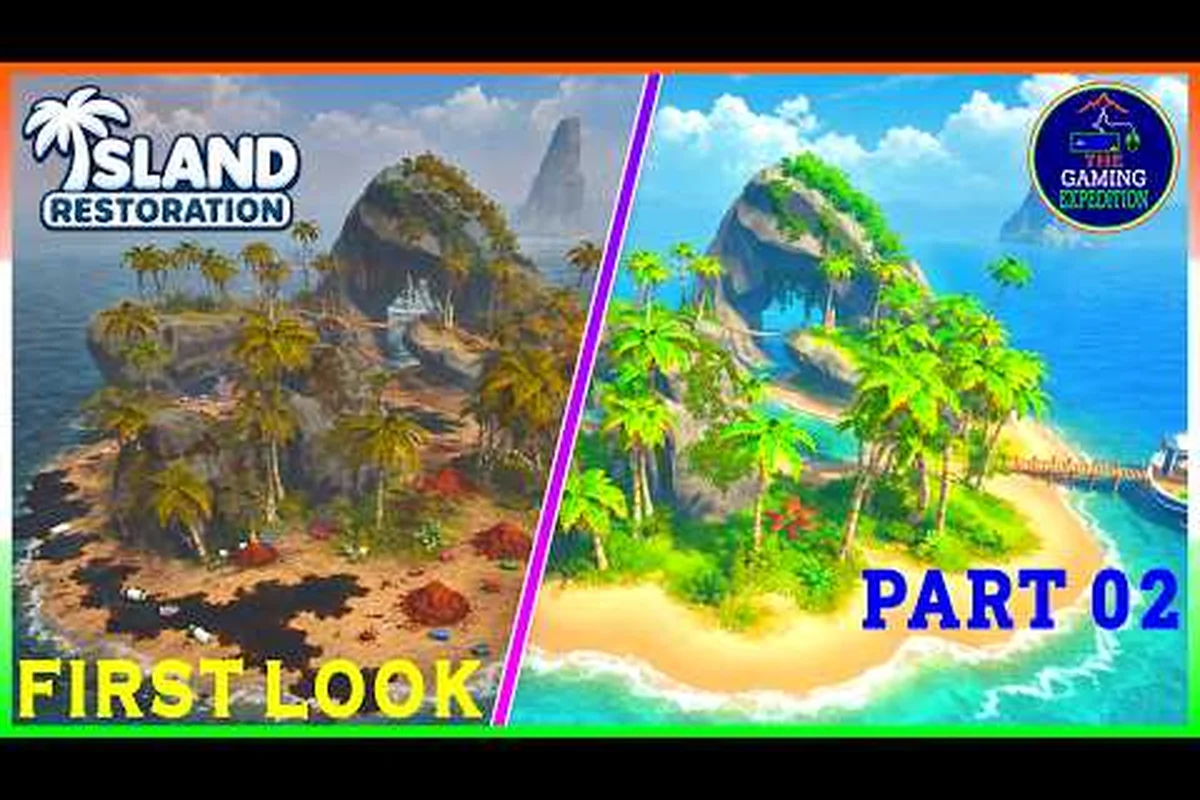
Island Restoration All Maps: Every Island & Type
Browse Island Restoration all maps with a full list of every island type, biome differences, and what makes each tropical landscape worth cleaning.
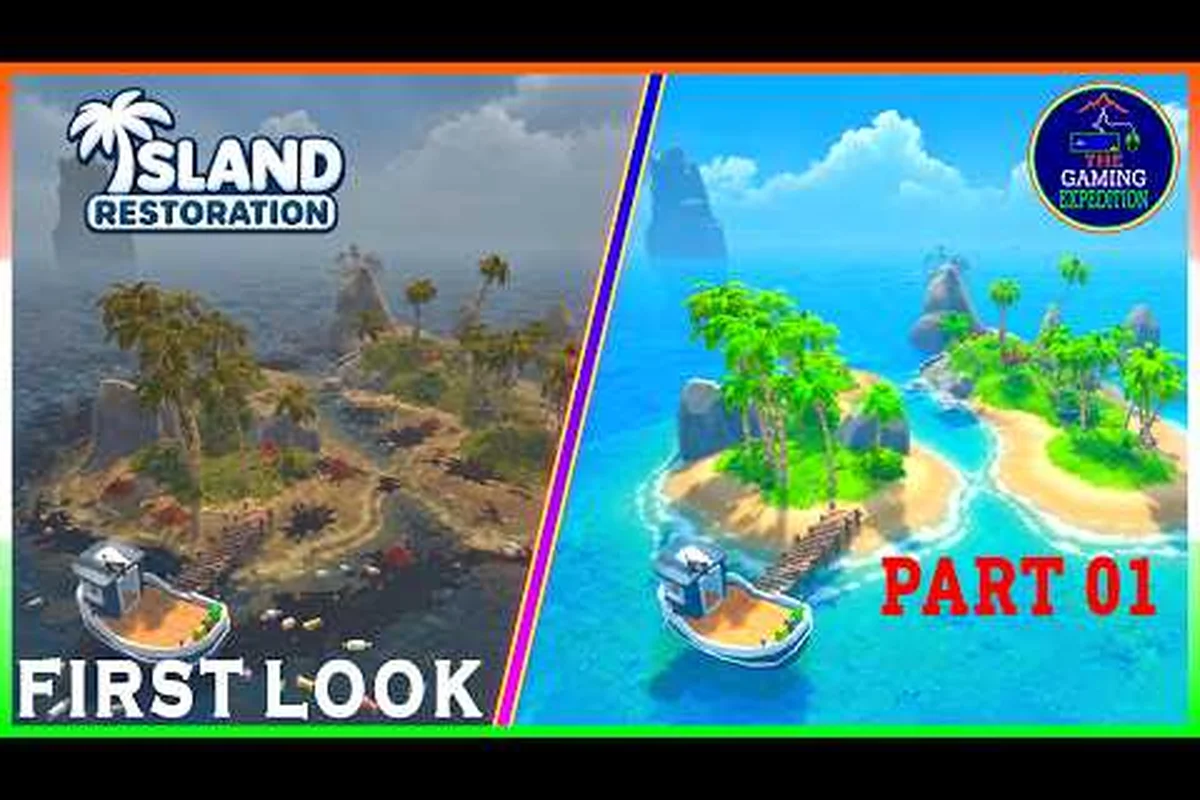
Island Restoration Biome Guide: 4 Biomes & Differences
Master the Island Restoration biome guide basics with a full breakdown of all 4 biomes, their unique hazards, and which environment to restore first.
Island Restoration Biomes: Full Map Regions & Variety
Explore Island Restoration biomes across all 12 maps and regions, and learn how the randomizer reshuffles your next island for endless replay value.
All Articles

Island Restoration Paradise Islands: Full Exploration
Explore Island Restoration paradise islands from ruined wastelands to lush biomes, learning unlock order, environments, and lasting variety.
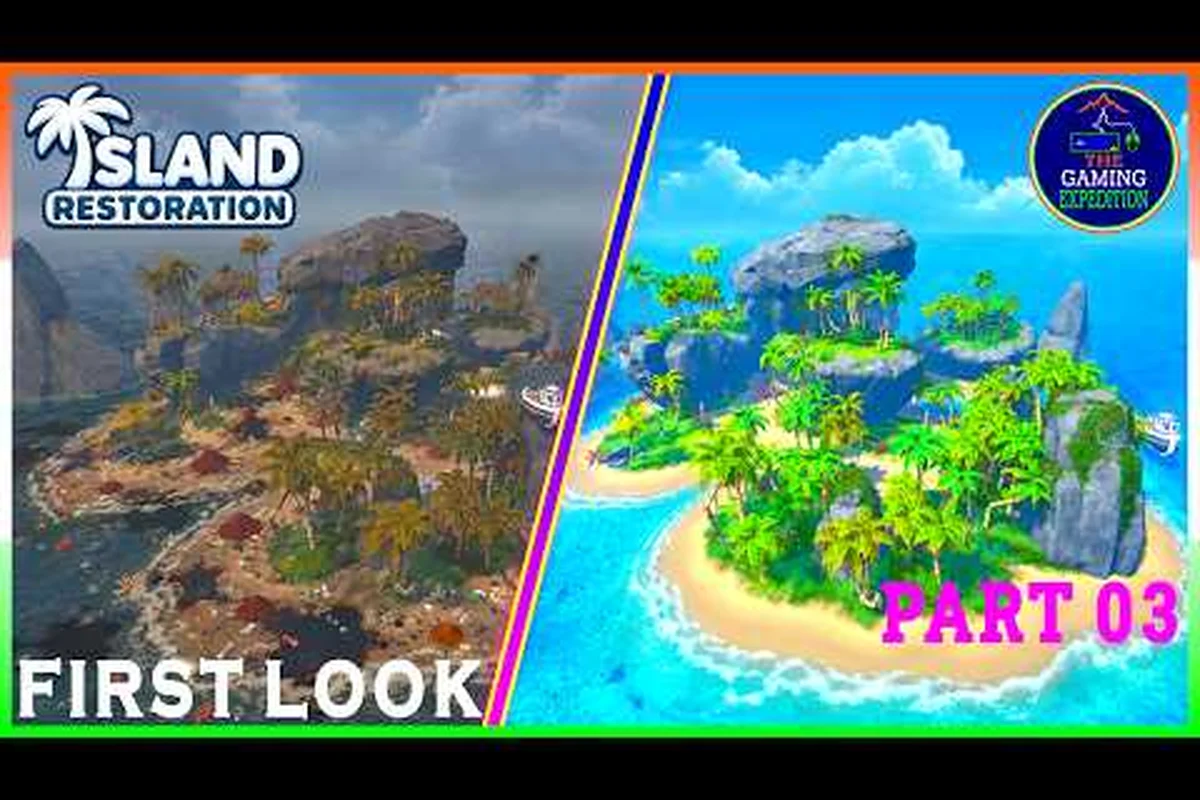
Island Restoration Big Islands: Largest Maps & Difficulty
Tackle Island Restoration big islands with this guide to the largest maps, how difficulty scales on bigger landscapes, and where the biggest biomes sit.

Island Restoration Biome Hazards: Dangers & Order
Survive Island Restoration biome hazards with a clear breakdown of environmental dangers by biome, the safest region to tackle first, and how to unlock new areas.
Island Restoration New Island Each Time: Procedural Maps
See how Island Restoration new island each time works through procedural map generation, keeping every cleanup run fresh and unpredictable.