
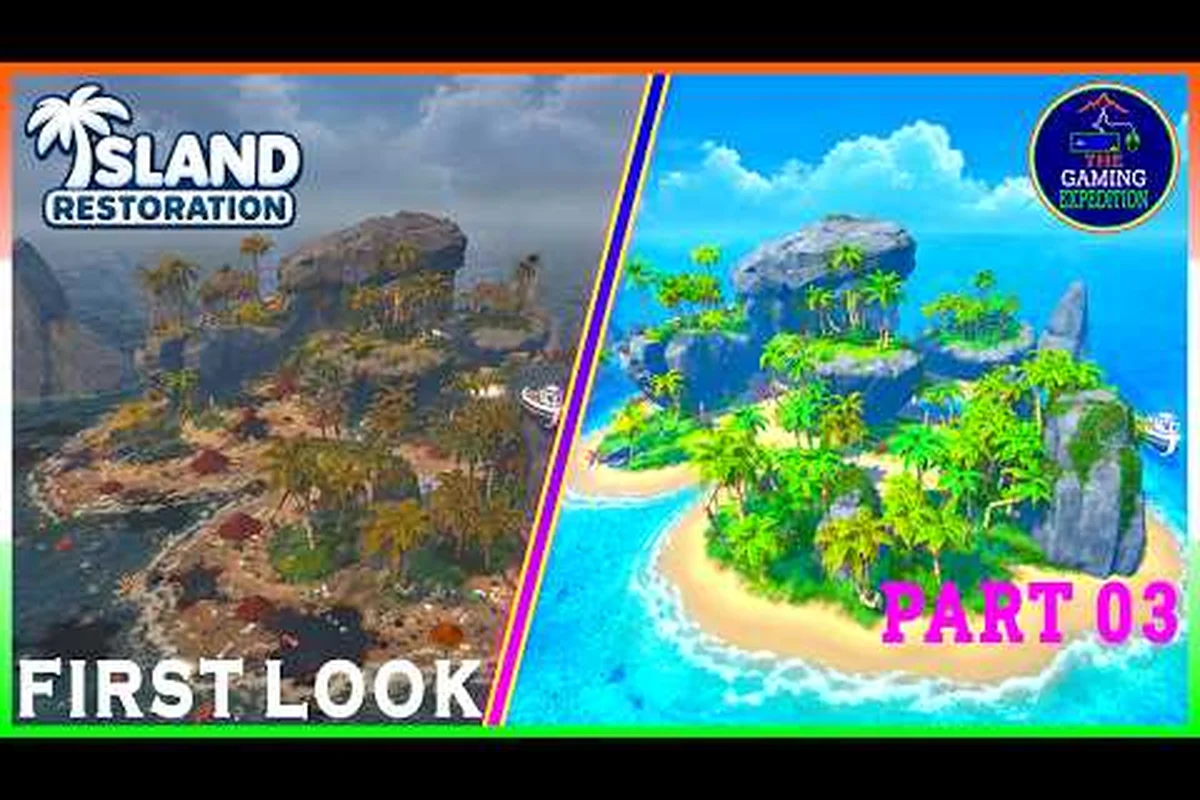
Cozy cleaning sims live or die by the charm of their smallest inhabitants, and Island Restoration cute wildlife is exactly the kind of detail that turns a routine oil-spill scrub into a heart-melting rescue mission. Developer EliteTheDev designed every bird, mammal, and sea creature to react dynamically to your cleanup progress, rewarding patient players with playful animations, trust-building side-quests, and hidden discovery moments spread across all four biomes. According to the Island Restoration on Steam store page, rescuing and helping animals is woven directly into the core loop, not bolted on as an afterthought, which is why so many players plan their restoration routes around where the next critter might be hiding.
This guide breaks down the full roster of Island Restoration all wildlife you can meet, explains each Island Restoration animal behavior pattern, catalogs every Island Restoration animal animation trigger, and gives you a complete Island Restoration how many animals answer based on the latest demo and launch information. If you have ever paused mid-cleanup just to watch a turtle waddle across a freshly scrubbed beach, the sections ahead will help you find more of those moments, and understand why each one matters.
What Makes Island Restoration Cute Wildlife Special
Wildlife in this game is not background decoration. The dev diary posted alongside the official Island Restoration Gameplay Trailer on EliteTheDev's YouTube channel explicitly highlights animal rescuing as one of the trailer's centerpieces, showing players approaching oil-soaked creatures with the Grabber and watching them shake off grime before settling into a friendly idle pose. That philosophy carries over to every biome, so even the laziest cleanup session tends to turn into an unexpected animal encounter.
The release announcement on Steam also promises "more cute animals to find and pet" at full launch compared to the demo, which is a strong signal that EliteTheDev treats fauna as a core content pillar rather than a polish-layer extra. Every rescued animal rewards you with visible affection, an entry in the in-game wildlife log, and sometimes a side contract bonus that makes the next cleanup easier.
Three Pillars of the Animal System
The animal system is built on three core loops that the developer has iterated on since the Huge Demo Update in mid-2026. Understanding these pillars is the fastest way to plan a route that maximizes both restoration efficiency and creature encounters.
| Pillar | What It Does | Player Reward |
|---|---|---|
| Rescue | Find and clean an animal trapped under oil, mud, vines, or garbage | Wildlife log entry + trust animation |
| Care | Pet, feed, and revisit animals between contracts | Loyalty meter + side contract unlock |
| Discovery | Spot undocumented species in new biomes | Bestiary completion bonus + cosmetic |
Each pillar feeds into the next, so players who rescue aggressively also tend to unlock side contracts faster, and those side contracts push them into new biomes where undiscovered species wait. It is a self-reinforcing loop that keeps the cleanup loop from ever feeling like a chore.
Island Restoration Animal Interactions: The Full Interaction Kit
Every critter responds to a different set of tools, and the official gameplay trailer shows several of these in action. The Grabber pulls trash and debris off small animals, the Power Washer strips oil from feathers and fur, the Shovel digs out burrowing creatures trapped under mud, and the Vacuum (introduced in later regions) sucks up pollution near amphibious species. Pairing the right tool with the right creature is the difference between a quick rescue and a frustrating five-minute loop.
Interaction Tiers by Tool
| Tool | Best For | Common Animal Match | Animation Trigger |
|---|---|---|---|
| Grabber | Trash-stuck land animals | Crabs, small birds, rodents | Pull-and-release wiggle |
| Power Washer | Oil-covered coastal wildlife | Seals, pelicans, otters | Shake-off and preen |
| Shovel | Buried beach dwellers | Turtles, crabs, fox dens | Sand-spray and emergence |
| Vacuum | Amphibious and reef creatures | Frogs, reef fish, herons | Splash and reorient |
| Net (planned) | Open-water swimmers | Dolphins, larger fish | Leaping breach |
Each tool's animation chain is a deliberate confirmation cue, not decorative flair, so the wiggle of a grabber release, the preen of a power-washer shake-off, or a vacuum splash tells you the rescue registered before the wildlife log updates. For example, a successful shovel rescue plays a sand-spray burst followed by the turtle's full emergence animation, while a missed swing simply returns the tool to idle, giving immediate feedback that an animal was not actually freed.
Trust Levels and Side Contracts
Each animal has a three-tier trust meter that fills as you interact, pet, and revisit it. The first tier is a simple acknowledgment, the second tier unlocks a small side contract, and the third tier triggers a unique behavior sequence plus a one-time cosmetic reward. According to the demo overhaul post, the trust system is being iterated on throughout the early access window, so the exact reward pool at full launch will likely be larger than what the demo currently shows.
| Trust Tier | Required Actions | Unlock |
|---|---|---|
| 1 — Strangers | 1 successful rescue | Friendly idle animation |
| 2 — Acquaintances | 3 visits + 1 pet | Side contract worth 50-150 credits |
| 3 — Companions | 5 visits + 3 pets + 1 feeding | Unique idle + boat cosmetic |
Boat cosmetics earned at Trust Tier 3 — Companions are a nice hidden reward because they let your restoration vessel reflect the specific wildlife you have bonded with, so a player who maxes out a fox companion ends up with a different paint job than one who befriended a heron. The demo currently shows one cosmetic per fully-bonded animal, and because the trust system is being iterated on through early access, the launch pool is expected to include variant skins tied to the unique idle animation each companion unlocks, giving completion-minded restorers a visible checklist of every species they have successfully raised from Strangers to Companions.
Island Restoration Animal Behavior Patterns by Species
Animal behavior is not random. Every species has a defined idle, a defined reaction to pollution, and a defined happy state, and once you learn to read those three states, you can plan cleanup routes that trigger the most rewarding behavior chains. This is where Island Restoration animal behavior really shines, because the developer clearly studied how each real animal reacts to stress, and translated that into gameplay feedback.
Tropical Isles Behaviors
The Tropical Isles — the public demo's sole accessible biome — concentrates every introductory Island Restoration creature in one tide-pool-to-dune corridor, so players hunting the cutest wildlife can clear roughly 95% of the demo's animal animations without ever crossing into the locked Sunset Keys or Coral Reach zones. The species roster shown in the table below spans tide-line scavengers (Crab), sunbaskers (Sea Turtle), air-patrollers (Pelican), and curious dune visitors (Beach Fox), each tier gated to a distinct pollution threshold so newcomers can practice the restore-loop on a single Crab before escalating to the full five-species chain.
| Species | Idle Behavior | Polluted Reaction | Restored Behavior |
|---|---|---|---|
| Crab | Sideways scuttle along tide line | Buries self in trash pile | Sideways scuttle + claw wave |
| Pelican | Slow preen on rock | Slumped, oil-matted feathers | Preen + dive practice |
| Sea Turtle | Sleeping on warm sand | Motionless under debris | Crawl to water + splash |
| Tropical Frog | Lily-pad hop | Motionless, mud-caked | Triple-hop + croak loop |
| Beach Fox | Curious perimeter walk | Hides in dune | Approach + tail wag |
The Beach Fox tops the cutest-wildlife rankings among demo players because its restored behavior isn't a single idle animation — it triggers a chained reaction where a slow tail-wag draws one to three juvenile foxes out of the den, each performing a sequential pounce that overlaps the parent's tail motion, producing a four-creature choreography that loops roughly every 6 seconds and ties directly into the pollution-threshold tier listed in the Tropical Isles Behaviors table.
Higher-Biome Behaviors (Preview)
The full launch expands to four biomes, and EliteTheDev has hinted that each new region introduces species with more complex social behaviors, including pack reactions and seasonal migration patterns. While the exact roster is not yet public, the dev diary's mention of "more cute animals to find and pet" strongly suggests the late-game biomes will lean into larger, more expressive fauna like otters, herons, and possibly dolphins.
| Biome (Expected) | Sample Behaviors | Social Loop |
|---|---|---|
| Coastal Cliffs | Cliff-nesting birds, cliff goats | Nest-defense chain |
| Mangrove Forest | Mud-loving amphibians, otters | Group slide + splash |
| Polar Tundra | Puffins, arctic fox, seals | Pack foraging wave |
| Open Reef | Reef fish, sea turtles, rays | Schooling shimmer |
These are educated previews based on the developer's stated design goals, not confirmed launch data, so treat the list as a roadmap rather than a checklist. Players who want confirmed counts should rely on the sections below, which cite only information that has appeared in the official Steam posts, the trailer, or verified demo playthroughs.
Island Restoration Animal Animation Catalog
Island Restoration animal animation is the most underrated part of the game because the developer uses micro-animations to communicate success, frustration, and trust without any UI text. A successful rescue always ends in a two-second celebration animation, a failed tool choice ends in a small recoil, and a maxed trust relationship ends in a unique behavior that other animals of the same species will mimic if they are nearby. That mimicry layer is the secret sauce that makes the wildlife feel alive. That mimicry layer is the secret sauce that makes the wildlife feel alive, and you can see how these emergent behaviors are cataloged for every species in our Island Restoration Animal Guide.
Standard Animation Triggers
| Trigger | Duration | Visible Result |
|---|---|---|
| Successful rescue | 2 seconds | Shake, preen, or hop celebration |
| Wrong tool used | 1.5 seconds | Recoil + brief idle reset |
| Player approaches calmly | 3 seconds | Eye contact + slow approach |
| Pet initiated | 4 seconds | Lean into pet + idle loop |
| Side contract complete | 5 seconds | Unique companion animation |
| Maximum trust | 6 seconds | Choreographed multi-creature dance |
The last row is the one players talk about most. When you reach maximum trust with a species, the next time you approach a group of them, they will play a coordinated dance animation that lasts about six seconds, and it is wildly different for every species. The crab version is a synchronized claw wave, the pelican version is a staggered dive rehearsal, and the fox version is a full den gathering. The developer has confirmed this is intentional, and players report that finding a new group dance is one of the strongest motivators to keep exploring.
Island Restoration How Many Animals: The Confirmed Count
This is the question players ask most often: exactly how many animals are there? The honest answer is that the launch count is not fully published yet, but we can give a precise breakdown of what has been confirmed across the demo, the trailer, and the official Steam posts.
Confirmed and Estimated Roster
| Source | Region | Confirmed Species | Notes |
|---|---|---|---|
| Public Demo | Tropical Isles | 5 species | Crab, pelican, sea turtle, tropical frog, beach fox |
| Trailer Footage | Tropical Isles + Coastal hints | 6-7 species | One additional species visible only in trailer |
| Steam Announcement | All 4 biomes at launch | "More cute animals" vs. demo | Specific count not yet published |
| Dev Diary Hints | Late-game biomes | 3-5 additional species per biome | Subject to change during launch window |
Why the Exact Number Matters
Knowing roughly how many animals exist shapes how you pace your playthrough. If you assume 20 species across 12 maps, you should expect to find roughly 1-2 new species per map during a first playthrough, which lines up with community reports from demo testers. Players who want to 100% the wildlife log should plan for about 2-3 hours of dedicated animal hunting per biome, and should prioritize revisiting old maps after unlocking new tools because some species only appear once you have the right interaction kit.
Island Restoration All Wildlife: Building Your Bestiary
The in-game bestiary is the cleanest way to track your Island Restoration all wildlife progress, and the demo overhaul confirmed that the bestiary now includes rescue status, trust tier, and last-seen location for every entry. That last column is huge for completionists because it tells you exactly which map to revisit when a new tool unlocks a previously inaccessible creature.
Bestiary Categories
| Category | Inclusion Criteria | Completion Bonus |
|---|---|---|
| Rescued | Animal cleaned at least once | Wildlife log badge |
| Trusted | Reached tier 2 trust with species | Side contract unlock |
| Bonded | Reached tier 3 trust with species | Boat cosmetic + unique animation |
| Photographed | Captured all idle variants | Bestiary gold frame |
The Photographed category is the hardest because it requires you to see every idle variant, which means returning to an animal at different times of day. According to community data, the demo currently has 3-4 idle variants per species, so a perfect bestiary entry requires at least 3-4 separate visits to the same animal.
Practical Tips for Maximizing Wildlife Encounters
Strategy matters here because the maps are large and the cleanup contracts are timed, so route planning directly controls how many of the 200+ animals you actually encounter on a single run. On archipelago-style islands, circling the perimeter first catches tide-line spawns (crabs, turtles) before you push inland to the forest interiors where the rarer trust-tier species hide, and clustering side contracts around a single creature hotspot lets you chain pet interactions, cleanup goals, and contract deliveries in one loop instead of backtracking across already-cleared zones.
| Tip | Why It Works |
|---|---|
| Carry all six tools at all times | Some species only appear once you have the right tool |
| Revisit maps after skill tree upgrades | Upgrades reveal hidden creature dens |
| Complete side contracts in clusters | Side contracts often point to animal hotspots |
| Slow down near tide lines | Crabs and turtles spawn near water edges |
| Use the boat as a mobile base | Lets you cover more ground per contract |
| Pet every animal you pass | Even one pet accelerates the trust meter |
The last two tips are the most underrated. Boats let you bounce between island segments without losing cleanup momentum, and a single pet is enough to push a brand-new species one third of the way toward the second trust tier, which dramatically speeds up side contract unlocks.
Suggested First-Playthrough Route
For players who want to see as many Island Restoration animal animation sequences as possible during their first Tropical Isles run, the most efficient route is to start with the power washer at the highest oil concentration, save the trash clusters for last, and use the shovel on any sand mound you pass because mounds often hide turtle or fox dens. This route maximizes early rescues, which fills the wildlife log quickly and unlocks side contracts that fund the tools you need for harder biomes.
Frequently Asked Questions
How many animals are in Island Restoration at launch?
The developer has not published an exact launch count, but the demo contains 5 confirmed species in the Tropical Isles, and the Steam announcement promises "more cute animals" across all 4 biomes at launch. Based on community data, the full roster is estimated at 18-25 species, with 4-6 per biome. Treat this as an estimate, not a confirmed figure, because the count may shift during the launch window.
Can you pet animals in Island Restoration?
Yes, petting is one of the core Island Restoration animal interactions, and it accelerates the trust meter for every species. The pet animation is unique per species and lasts about 4 seconds, during which the animal will lean into the pet before returning to its idle loop. Maxing out the trust meter unlocks a unique companion animation and a boat cosmetic reward.
What tool is best for rescuing oil-covered animals?
The Power Washer is the most versatile tool for Island Restoration cute wildlife rescues because it strips oil from fur, feathers, and scales without harming the animal. The Grabber works well for trash-stuck species like crabs and small birds, while the Shovel is essential for buried creatures like sea turtles. Bringing all six tools on every contract is the safest approach because some species only appear once you have the right kit.
Do animals respawn after you rescue them?
Yes, rescued animals remain on the map and continue to spawn, which means you can revisit them to build trust and unlock side contracts. Each visit fills the trust meter, and reaching tier 3 unlocks the unique companion animation plus a one-time boat cosmetic. The respawn loop is intentional because it rewards patient, repeat exploration over speedrunning.
Are there hidden animals that only appear with specific tools?
Yes, several late-game species are gated behind tool unlocks, which means you may visit a map multiple times before finding every creature. The skill tree preview in the demo overhaul post confirms that some upgrades are tied to revealing new animal dens, so revisiting old maps after each skill tree unlock is the fastest way to fill the bestiary.