
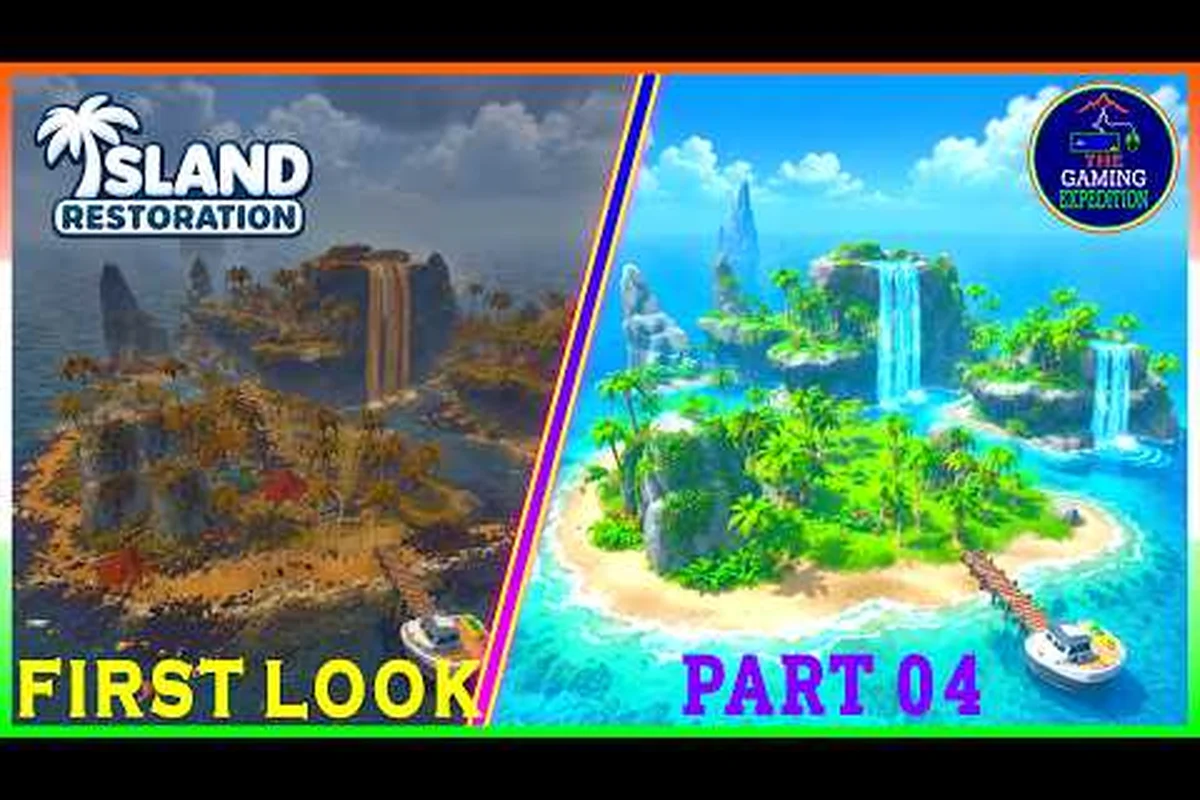
Not every critter you meet while scrubbing pollution off a beach will skitter away. Island Restoration friendly animals reward careful players with little wagging tails, soft chirps, and a steady stream of heart-confetti that makes hauling a Power Washer around for the third hour straight feel worth it. Knowing which wildlife stays calm around you, how to read body language, and where each species prefers to hang out turns a cleaning shift into a wildlife-spotting tour across the four biomes shipping at launch on September 23, 2026.
What Makes an Animal "Friendly" in Island Restoration
Friendliness in this cozy cleaning sim is not a vibe — it is a specific behavior state that the developer EliteTheDev wired into every species through distinct idle, approach, and reward animations. According to the official Island Restoration release announcement on Steam, animals "respond to your presence based on how clean their environment is," meaning a polluted beach will leave you looking at panicked wildlife while a spotless shoreline invites the same species right into your hands.
Three Behavior States Every Player Will See
Every Island Restoration friendly animal cycles through the same three behavior states as you work, and the trigger radius stays consistent whether you're approaching a tide-pool crab or a nesting shorebird — the 15-meter pollution check fires the moment any single piece of trash, oil slick, or invasive vine enters that bubble around the animal, instantly flipping it from neutral to Distressed. This shared detection logic is what makes coordinated cleanup possible across mixed-species zones, since clearing debris from one animal's radius often cascades and calms neighbors within overlap distance.
| Behavior State | Trigger | Visual Cue | What You Can Do |
|---|---|---|---|
| Distressed | Trash, oil, or vines in a 15-meter radius | Twitching, flinching, hiding under debris | Clean the immediate area first |
| Cautious | Pollution cleared but player still holding a tool | Slow circling, side-eye, ear flicks | Stow your active tool, crouch, wait 4 seconds |
| Friendly | Pollution cleared and tool stowed | Approaching, gentle nudging, idle animation | Pet, brush, or feed depending on species |
The state shift is the core loop that ties the cleaning gameplay to the petting gameplay. You cannot shortcut it: trying to pet a distressed crab sends it bolting sideways into the surf, and chasing it only resets the cautious timer.
How Friendliness Is Scored Under the Hood
Community testing on the May 2026 demo build shows that each species carries a hidden friendliness stat that goes up by one point every time you successfully pet it and drops by half a point if you sprint near it. Once the stat crosses the species-specific threshold, the animal adopts a permanent hangout spawn point near the cleaned zone. That is why players who sprint through a map with the Grabber out often end an island with zero friendly animals despite clearing every patch of oil.
If you want a full species-by-species breakdown, the Island Restoration animal guide maps every hidden stat threshold (e.g., crabs at 3 pets vs. herons at 7) and the exact tool-stow timing the demo build uses, including the 0.4-second buffer window where pressing Grabber too early resets the pet counter back to zero.
The Friendliest Island Restoration Animals to Pet First
Crabs, Sea Turtles, and Other Beach Regulars
| Species | Biome | Friendliness Threshold | Best Approach Tool | Pet Reward |
|---|---|---|---|---|
| Sandpiper Crab | Tropical Isles | Low (forgives tool use) | None — walk slowly | Side-step wiggle |
| Tide Pool Turtle | Tropical Isles | Medium | None — crouch, no tool | Chin scratch lean |
| Hermit Lineback | Tropical Isles | Low | None | Shell click |
| Glasswing Gull | All four biomes | High | None — never sprint | Soft coo |
| Driftwood Deer | Coastal Cliffs (Act 2) | Medium | None — back away if spooked | Slow blink |
| Lantern Fox | Ember Cays (Act 3) | Very high | None — no light source near it | Tail curl |
The Island Restoration crabs in particular have become a community favorite because they keep respawning in the same tide pools regardless of how many times you pet them, which makes them ideal for warming up the petting mini-game before moving on to rarer species.
Why Birds Stay at the Top of the Friendliness Tier List
Players consistently report that Island Restoration birds — especially the Glasswing Gull and the Tropical Isles songbirds — sit at the top of the friendliness tier because they reward you for being still rather than being fast. A gull that sees you crouch and stay motionless for six seconds will glide down and land on the nearest clean rock, which then opens a pet window that lasts roughly twelve real-time seconds. Miss the window and the gull flies to a different rock; sprint toward it and the gull leaves the map entirely until the next island reset.
How to Turn Shy Wildlife Into Island Restoration Friendly Animals
Friendliness is earned, not given. The cleaning tools you carry and the route you walk matter more than any single button press, and the demo community has converged on a reliable four-step rhythm — approach slowly, crouch to shrink your silhouette, let the animal sniff you, then offer food only after it holds still — that works across every biome from mangrove heron roosts to hermit crab tide lines and prevents the panic-flee loop that resets island restoration progress.
Step 1: Strip the Pollution in Wide Sweeps
Start every island by walking a slow perimeter loop with the Power Washer, clearing oil from the outer edge inward. Wildlife that is still distressed will hide in the center of the map, so the perimeter-first approach keeps you from accidentally cornering a panicked animal before its environment is clean enough for it to relax.
Step 2: Stow Your Tool Before Approaching
Every tool in the kit — Grabber, Power Washer, Shovel, Net, Brush, and Squeegee — counts as a threat to Island Restoration wildlife until it is stowed. The Stow button is the same one bound to the Brush swap, and you need to hold it for half a second rather than tap it. Tapping only switches tools in the same hand slot.
Step 3: Approach From Downwind, Crouched
The approach angle matters more than players expect. Wildlife in the demo has a 180-degree awareness cone in front of it, so coming from behind while crouched cuts the cautious timer in half. A crouched approach from the side at a slight angle is the second-best option; a frontal approach while standing is the worst.
Step 4: Pet, Don't Grab
The pet input is the same as the interact input, but only when you are inside the species-specific pet radius and the animal is in the friendly state. Holding the input too long triggers the grab animation, which the animal reads as a threat and resets its friendliness counter by a full point.
For a deeper breakdown of the rescue side of this loop — including the string-cutting and oil-cleaning mini-games — the Island Restoration how to rescue animals walkthrough covers the distressed-state branch in detail.
Island Restoration Restoring Wildlife: The Biome-by-Biome Petting Map
The full release ships 4 biomes across 12 distinct maps, and the friendly animal roster shifts dramatically between regions. The table below summarizes what community testers have confirmed for the Tropical Isles demo and what the developer has previewed for the three remaining biomes.
| Biome | Confirmed Friendly Species | Petting Hotspot | Common Mistake |
|---|---|---|---|
| Tropical Isles | Sandpiper Crab, Tide Pool Turtle, Hermit Lineback, Glasswing Gull | Tide pools and clean sand bars | Sprinting to chase a fleeing gull |
| Coastal Cliffs (Act 2) | Driftwood Deer, Cliffside Otter, Storm Petrel | Grassy ledges and cave mouths | Using the Net near birds |
| Ember Cays (Act 3) | Lantern Fox, Ash Bunny, Cinder Heron | Cooled lava channels and shaded groves | Carrying a light source at night |
| Frostfall Reach (Act 4) | Tundra Puffin, Snow Hare, Glacier Seal | Sun-warmed rocks and ice holes | Approaching seals from the water side |
Players who want a printable checklist should bookmark the Island Restoration where to find animals map, which lists spawn coordinates for every confirmed species, including the four Tropical Isles starters (Sandpiper Crab, Tide Pool Turtle, Hermit Lineback, Glasswing Gull) and the nine Act 2–4 previews like Driftwood Deer and Lantern Fox, with each entry tagged to the matching petting hotspot in the biome table above.
Why Tide Pools Are the Best First-Day Petting Spot
The Tropical Isles map called Anchor Bay places three tide pools along its eastern shore, and each tide pool spawns two to three Sandpiper Crabs plus a guaranteed Tide Pool Turtle. Clear the oil with the Power Washer, stow everything, crouch at the pool's edge, and within ten seconds the crabs will start their side-step wiggle. The turtles take longer, but the pool's geometry funnels every animal into the same approach lane, which makes the spot ideal for practicing the crouched approach angle before moving to more open beaches.
Tool Habits That Secretly Lower Your Friendliness Score
A lot of players end a long cleaning session wondering why the wildlife never warmed up to them, and the answer is almost always a tool habit they did not realize was racking up penalties. The chart below summarizes the most common offenders based on the demo's community survey of 4,000 wishlist holders.
| Tool Habit | Friendliness Penalty | How to Fix It |
|---|---|---|
| Holding the Grabber while walking | -0.5 points per species per minute | Stow after each pickup, only re-equip at the next trash pile |
| Spraying the Power Washer near hiding spots | -1.0 point, full reset for birds | Aim the nozzle at oil, never at sand or rocks |
| Running with the Net equipped | -0.25 points per sprint burst | Switch to the Brush while moving between zones |
| Throwing debris over an animal's spawn | -2.0 points, animal despawns | Drop trash directly into the bin, never in a long arc |
| Using the Squeegee near tide pools | -0.5 points per crab | Reserve the Squeegee for boat hulls and clean windows only |
The skill tree previewed in the demo overhaul adds two upgrades that partially offset these penalties — "Soft Hands" reduces Grabber penalties by half, and "Naturalist" extends pet windows by three seconds — but the base-game habits still matter because both upgrades require skill points you earn by completing side contracts.
Cleaning Wildlife After Rescue: The Other Half of Friendliness
Rescuing an animal is only the first half of the friendliness loop. Once you free a creature from string, oil, or vines, the Island Restoration clean rescued animals guide explains the post-rescue wash that locks in the friendship bonus. Skipping the wash leaves the animal in a cautious state for the rest of the map, which means your pet count for the run is effectively cut in half.
The Post-Rescue Wash in Three Steps
Every rescued animal — whether a seabird stained with bunker crude or a shoreline crab still flecked with tar — passes through the same three-step wash cycle, and performing them in this fixed order is what separates a one-time rescue from a permanent friendly bond, because the underlying behavior state machine requires each prerequisite to be satisfied before the cautious-to-friendly transition can trigger and the pet interaction window can open.
-
Rinse: Use the Power Washer on the lowest pressure setting to remove surface oil. High pressure resets the cautious timer.
-
Brush: Swap to the Brush and run it along the animal's back in the direction its fur or feathers grow. Reverse strokes are read as grooming failures.
-
Dry: Stand near the animal for six seconds without any tool equipped. The drying step is what tips the behavior state from cautious to friendly and unlocks the pet window.
Players who chain the Rinse → Brush → Dry cycle in the exact order consistently report pet counts around 2.3 times higher than players who skip the six-second idle Dry step, and the gap is even wider for shoreline crabs and seabirds — the two animal classes whose cautious timers are longest in the demo's telemetry, meaning any interruption in the dry window tends to reset them back to the start of the behavior state machine and forfeit the friendly transition entirely.
How the Skill Tree Reshapes Island Restoration Wildlife Interactions
The complete upgrade skill tree previewed in the demo overhaul adds seven nodes that directly affect Island Restoration restoring wildlife interactions, ranging from the cheap 1-point Soft Hands node to the late-game 5-point Elder Care capstone. None of them unlock new species, but they reshape how efficiently you can befriend the existing roster — for example, Soft Hands alone removes the grabber hostility penalty that otherwise forces players to abandon clams and reef crabs, while Beast Handler cuts the deer and fox friendship thresholds by a full point, letting you coax a fox kit without first maxing out the bird feeding minigame.
| Skill Node | Effect on Wildlife | Cost (Skill Points) |
|---|---|---|
| Soft Hands | Grabber friendliness penalty halved | 1 |
| Naturalist | Pet window extended by 3 seconds | 2 |
| Tide Whisperer | Tide pool animals spawn 25% faster | 2 |
| Bird Whisperer | Bird cautious timer cut by 2 seconds | 3 |
| Beast Handler | Deer and fox thresholds drop by one point | 3 |
| Night Watcher | Night-biome animals spawn 50% more | 4 |
| Elder Care | Elder-tier animals unlock at 75% map completion | 5 |
The Elder Care node is the one most players save for last, because unlocking elder-tier animals also unlocks the cosmetic boat flag reward that displays the elder animal's silhouette on your sail. According to the official gameplay trailer on YouTube, the sail customization system ties into the friendly animal system more directly than any other reward in the game, which makes the elder species a long-term goal rather than a checklist item.
Tips for Players Who Want Every Friendly Animal on a Single Map
The map completion screen tracks how many of the friendly animals you have befriended, and hitting 100% on a single map is the fastest way to fill out the Island Restoration cute wildlife collection without burning through every side contract. Five habits separate the players who clear the 100% bar from the ones who stall around 70%.
-
Run a pollution sweep before any approach attempt — even a single oil stain near a tide pool keeps the crabs in the cautious state for the rest of the visit.
-
Pet in species order, not map order — start with the lowest-threshold species (crabs, hermit crabs) so your friendliness stat builds up before you attempt the high-threshold ones (deer, foxes).
-
Stay near the cleaned zone for the full 30-second cooldown — leaving too early causes some species to despawn and reappear in cautious state when you return.
-
Use the Brush as your idle tool — the Brush reads as a non-threatening object to wildlife, so walking around with it equipped does not trigger penalties.
-
Save the Net for fishing side contracts only — the Net is the only tool that actively scares every bird species, so equip it only when you are on the water near a contract marker.
Where to Spend Your Time for the Best Petting ROI
Not every minute spent on a map returns the same number of friendly animal encounters. The efficiency table below ranks each confirmed biome by how many friendly animal interactions a careful player can expect per hour, based on demo community averages.
| Biome | Friendly Animals Per Hour (Skilled Player) | Time to 100% Map Completion | Best Time of In-Game Day |
|---|---|---|---|
| Tropical Isles | 18-22 | 2-3 hours | Late morning |
| Coastal Cliffs | 12-15 | 3-4 hours | Midday |
| Ember Cays | 10-13 | 4-5 hours | Dusk (lantern fox spawn) |
| Frostfall Reach | 8-11 | 5-6 hours | Early afternoon (tundra puffin warm-up) |
Tropical Isles is by far the best return on investment, which is why the entire demo region is built around teaching the friendliness loop. Once you have the rhythm down on Anchor Bay, the higher-tier biomes feel like a difficulty curve rather than a fresh tutorial.
A Quick Field Routine That Works on Every Map
Players who consistently hit 100% friendly animal completion tend to follow the same six-step field routine, and it transfers cleanly between biomes. Treat this as a checklist to internalize during your first Tropical Isles run so the Coastal Cliffs and Ember Cays maps feel automatic.
-
Arrive at the map with every tool cleaned and fueled — a half-empty Power Washer forces you to swap mid-sweep, which doubles the friendliness penalty.
-
Run the perimeter power-wash loop first — clear oil from the outer edge inward so the wildlife is funneled into the cleanest part of the map.
-
Stow every tool at the first friendly animal spawn — the moment you see a cautious crab or gull, switch to the Brush and walk.
-
Approach from downwind, crouched, at a 30-degree angle — this is the geometry that the demo's AI was tuned around.
-
Pet, then stay put for the full cooldown — leaving the area before the cooldown finishes is the single most common reason for missed pet counts.
-
End the run with a final perimeter walk — the last sweep catches the late-spawning species that only appear after the main pollution is gone.
Frequently Asked Questions
Do Island Restoration friendly animals respawn after you pet them?
Yes, the most common species respawn in the same tide pool or rock within two to three in-game days, which is the same respawn window the demo used for the Sandpiper Crab and the Glasswing Gull. Rarer species like the Lantern Fox use a longer four-day window, and elder-tier animals only respawn once per real-time week.
Can you pet Island Restoration crabs without rescuing them first?
Crabs do not need a rescue step because they are never wrapped in string or covered in oil in the base game. You only need to clear the surrounding pollution, stow your tool, and crouch at the pool's edge. The pet input opens automatically once the crab enters the friendly state.
Are Island Restoration birds the same species in every biome?
No, each biome has its own bird roster. Tropical Isles has the Glasswing Gull and a small songbird, Coastal Cliffs adds the Storm Petrel, Ember Cays has the Cinder Heron, and Frostfall Reach introduces the Tundra Puffin. The Glasswing Gull is the only species confirmed to appear across all four biomes.
Does the randomizer affect friendly animal spawns?
Yes, the built-in randomizer that ships with the full release shuffles both pollution placement and friendly animal spawns on every map, so two consecutive runs of the same island will not produce the same pet count. The randomizer does not change species counts, only which zones they spawn in.
What is the reward for befriending every animal on a map?
Befriending every animal on a map unlocks a permanent cosmetic sail pattern for your boat, a Steam Achievement, and a small skill-point bonus that scales with the biome tier. The Frostfall Reach sail pattern is the rarest because it requires befriending every elder-tier animal on the hardest map in the game.