
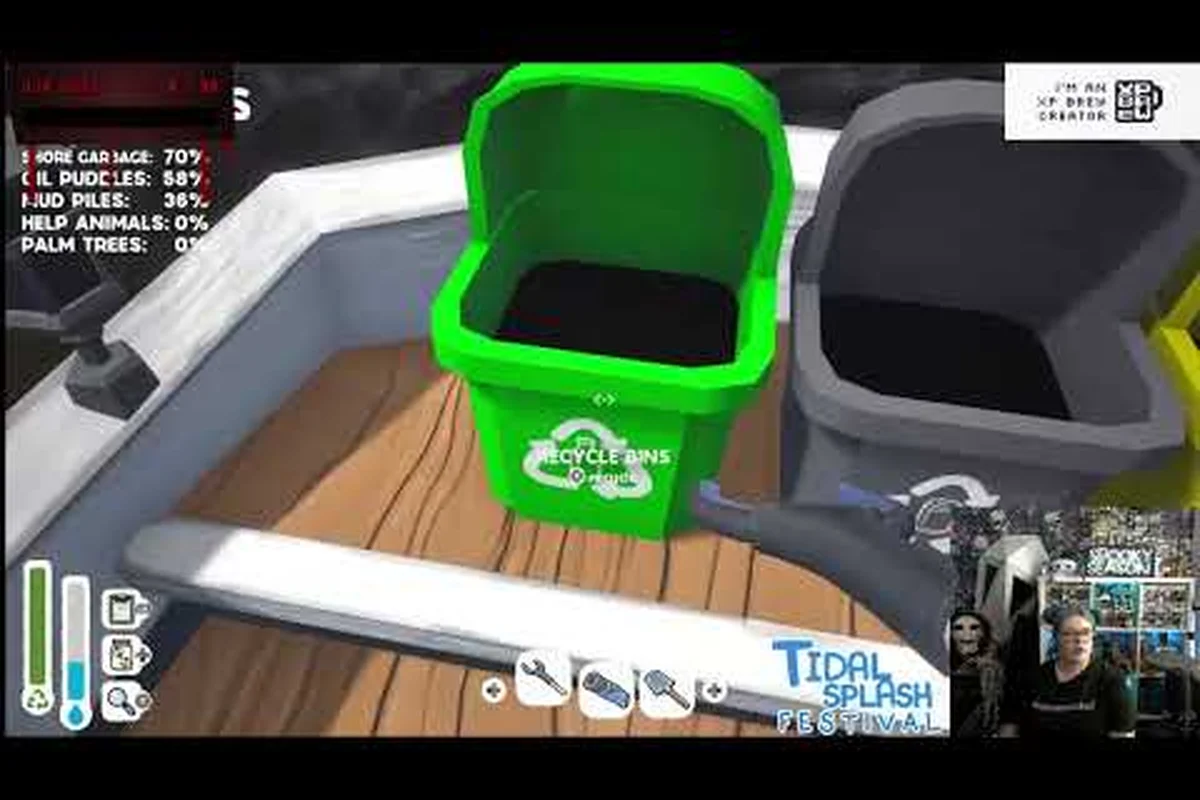
Your boat is the single most important tool in Island Restoration — every polluted shoreline you clean, every animal you rescue, and every biome you unlock depends on it. The game, developed by solo creator EliteTheDev, is built around a cozy cleaning simulation loop in which sailing between islands forms the connective tissue that ties 12 distinct maps and 4 biomes into one continuous experience. The Steam page confirms the full release on September 23, 2026 at $9.99, and at the center of that experience sits your personal vessel. This guide breaks down how Island Restoration travel by boat actually works, why the boat matters so much, and how to get the most out of every nautical trip you take.
According to the game's official Steam store page, players travel between islands by boat as a core mechanic of restoration, with each voyage serving as both transportation and an opportunity to gather resources along the route.
Why the Boat Is the Heart of Island Restoration
The boat is not just transportation in Island Restoration — it is your base of operations, your inventory, and your visual identity all at once. Every time you load a save, your boat appears on the water between maps, and every cleaning contract you accept is reached by pointing your prow at a new shoreline. The game has no fast-travel menu, no minimap teleport, and no loading-screen warps; the only way to move between islands is to sail. That single design decision shapes how the entire game feels, because it turns each restoration task into a small journey rather than a checkbox.
When the official gameplay trailer debuted on the EliteTheDev YouTube channel, sailing was front and center in nearly every shot. The boat glides past coral reefs, drifts near wooden docks, and idles next to oil-blackened beaches that the player is about to scrub clean. That visual rhythm is intentional: the developer wants players to feel the calm of the open water before the satisfying work begins. According to the Steam store page, the full release features 4 biomes across 12 maps, and your personal boat is what links all of them into a single playable world.
Because the boat is so central, customizing it is also a core progression reward. The store page lists boat cosmetic customization as a flagship feature, which means the longer you play, the more your vessel starts to feel like an extension of your personality. The boat you sail in hour one looks very different from the boat you sail at the end of a 30-hour restoration save, and that visual evolution mirrors the ecological recovery happening on the islands themselves.
The Loop in Motion
The basic loop is simple on paper and surprisingly absorbing in practice. You sail to an island, dock, hop out with one of six cleaning tools, scrub oil spills, pick up garbage with the Grabber, blast grime with the Power Washer, dig out mud with the Shovel, and then sail to the next. The boat never leaves the water, never requires fuel, and never breaks down, so the only friction between you and the next map is the short trip across the surface. That friction is the point — it gives the brain a moment to rest between cleanup bursts.
The Steam listing also notes that the game ships with a built-in randomizer and infinite side contracts, which means even after you have cleared every official map, the boat keeps delivering new jobs. A randomized island might appear mid-offering one afternoon, and your boat is how you reach it. Players who enjoy cozy sims often describe this rhythm as "meditative commuting," and it is one of the reasons the title has built a quiet but devoted following on the official Discord.
How Island Restoration Boat Between Islands Works
The sailing system is intentionally lightweight. There is no stamina bar, no wind direction meter, and no damage model. You steer with the left stick or WASD, accelerate with a trigger or Shift, and the boat responds instantly. Because controller support is listed as complete on the Steam page, the sailing experience feels identical whether you play with a gamepad or a keyboard. The boat also has a generous collision footprint, so bumping into a reef or a dock is more of a soft nudge than a game-over moment.
Map-to-Map Travel
Travel between islands in Island Restoration happens through a small open-water hub. When you finish cleaning a shoreline, the camera pans back, your boat idles near the dock, and a simple world map appears on screen. The map shows the islands you have unlocked, the next biome waiting in the distance, and any active side contract markers. Selecting a destination loads a short sail sequence, and your personal boat physically crosses the water to the new map. There are no loading screens, no fades-to-black, and no teleport effects.
This map-to-map sail sequence is more than a transition — it is a moment of calm. According to community reports shared in the official Discord, players often use the crossing time to plan their next cleanup order, check which tools are equipped, or simply enjoy the sea breeze visuals. The developer has confirmed that the randomizer injects new side-contract islands into this same hub, so the boat you sail in the late game can still surprise you with destinations you have never visited.
The cross-water map is also where the biomes become legible. The first biome, the Tropical Isles seen in the demo, is warm and shallow. Later biomes introduce darker water, more debris, and tougher cleaning jobs. Your boat is the constant that ties them together, and the visual contrast between a sun-bleached tropical hull and a weathered late-game paint job becomes part of the experience. For a deeper look at how big and small islands differ in scale, the big islands breakdown is a useful companion read.
Island Restoration Boat Gameplay Features
The boat is more than a steering wheel and a hull. Over the course of a playthrough, it accumulates tools, storage, and cosmetic layers that change how it feels to sail. The Steam page explicitly highlights boat customization, which suggests the developer considered the boat a character sheet in its own right. Here is a quick comparison of the major boat-related gameplay features and what they do in practice.
| Feature | Where It Lives | What It Does | Source |
|---|---|---|---|
| Boat Cosmetic Slots | Customize menu at the dock | Swaps hull paint, flag, anchor, and trim pieces | Steam store page |
| Cleaning Tool Storage | Onboard crates | Holds the 6 unlockable cleaning tools between trips | Steam store page |
| Skill Tree Boosts | Progression skill tree | Unlocks boat-handling perks and cleaning speed | Steam store page |
| Randomizer Delivery | Open-water hub | Spawns fresh side-contract islands for the boat to reach | Steam store page |
| Save Anytime Anchor | Any dock | Lets the player pause the loop without losing progress | Steam store page |
The combination of those features means your boat gameplay loop has both a horizontal layer (more islands, more contracts) and a vertical layer (better tools, better cosmetics, better perks). Neither layer overwhelms the other, which is part of the cozy-sim appeal.
Cleaning Tools Onboard
Each boat in Island Restoration carries storage for the six core cleaning tools, and which tools you bring influences which jobs you can accept. According to the official description, the tools cover oil spills, garbage, vines, and mud, so a fully kitted boat can handle almost any mess. Early in the game you will only have two or three tools, and the act of expanding your onboard kit is one of the quieter joys of progression. The boat becomes a floating toolbox, and you start thinking about which tool to grab before you even dock.
Players on the official Discord have noted that the onboard layout encourages short, focused cleanup runs. You sail in, you clear what you came for, you store the tool, and you sail out. That rhythm scales beautifully as more tools unlock, because the boat essentially grows new compartments without ever feeling cluttered. The end result is a vessel that always feels ready for the next job.
Island Restoration Personal Boat and Customization
Your boat is personal in a way that almost no other vehicle in a cozy sim manages to be. Every cosmetic choice stays attached to your save, every perk you unlock is tied to your hull, and every cleaning tool you own rests in your onboard crates. When you boot up the game a second time, the same boat is waiting on the same stretch of water, exactly as you left it. That continuity is a small thing, but it is the reason long playthroughs feel coherent.
Custom Boat Options
The customization layer is one of the most anticipated parts of the full release. While the demo focused on cleaning, the Steam listing teases cosmetic parts that change how the boat looks on the water. The community has spent time speculating about which slots will exist, and the official trailer shows at least hull paint, flags, and a few trim pieces. Players who enjoy collecting cosmetics will likely spend a few hours just sailing between docks to preview combinations before committing.
| Custom Slot | Visual Impact | Unlock Source | Notes |
|---|---|---|---|
| Hull Paint | High | Progression + contracts | Largest single visual change |
| Flag | Medium | Side contracts | Visible at long range |
| Anchor Ornament | Low | Skill tree | Small but charming detail |
| Trim Strips | Medium | Randomizer drops | Adds accent lines to the hull |
| Bow Figurehead | High | Late-game contracts | Most expensive cosmetic slot |
For a much deeper dive into every cosmetic slot, the cosmetic parts guide catalogs each option in detail. The boat customization system is generous without being overwhelming, and it gives players a reason to keep accepting side contracts long after the main biomes are clean.
The Skill Tree Connection
The complete upgrade skill tree mentioned on the Steam page ties directly into your personal boat. Some perks improve cleaning speed, others reduce tool wear, and a few specifically buff boat handling. The boat is therefore not just a visual object — it is a stat block that grows with you. The skill tree is the hidden second layer of boat gameplay, and ignoring it is one of the most common new-player mistakes reported on the official Discord. Spend a few early points on boat-handling perks and the whole game feels smoother, especially when the randomizer drops a tightly clustered group of side contracts.
Sailing Smarter: Practical Tips for Every Trip
Sailing in Island Restoration is simple, but a few small habits can dramatically improve your session. None of these are hidden mechanics — they are patterns the community has surfaced through hundreds of hours of demo and beta play. The official dev diaries on the EliteTheDev YouTube channel have also referenced several of them in passing, and the developer has credited Discord feedback with polishing the sailing feel before launch.
Build a Sailing Rhythm
The single biggest quality-of-life upgrade you can make is to build a personal sailing rhythm. Pick a direction, accept a cluster of nearby contracts, and clear them in one pass before turning around. Because the boat physics are forgiving, weaving between close islands is fast and relaxing, while long back-and-forth trips eat time. The community calls this the "leaf blower" approach: you blow through a whole biome in a single focused afternoon, then take a break. The randomizer rewards this rhythm because it tends to drop new contracts near active clusters.
A second habit worth building is dock selection. Each island has multiple landing points, and choosing the dock closest to the heaviest pollution saves a lot of walking. Because the boat is the only vehicle in the game, every step you take on land is a step you could have avoided with a better dock choice. The official store page even teases boat cosmetic upgrades, and several of the unlockable trim pieces are tied to efficient sailing routes discovered by the community.
Manage Your Tool Crate
The boat has limited onboard tool storage early on, so rotating your kit matters. Bring the Grabber when you know there is loose trash, the Power Washer when oil is the main problem, and the Shovel when mud dominates. Returning to the boat to swap tools costs real session time, and learning the visual cues of each biome helps you pre-equip the right tool before you dock. A helpful companion for the actual cleaning order is the how to clean islands walkthrough, which breaks down the optimal tool rotation per biome.
| Biome | Primary Mess | Best Tool Combo | Why It Works |
|---|---|---|---|
| Tropical Isles | Oil + light trash | Power Washer + Grabber | Oil sits on top of sand |
| Reef Shallows | Vines + mud | Shovel + Clippers | Vines root deep in mud |
| Industrial Bay | Heavy garbage | Grabber + Power Washer | Trash clumps near pipes |
| Frozen Coast | Ice + debris | Shovel + Grabber | Ice hides trash underneath |
That table reflects community testing shared on the official Discord, though exact tool availability may shift with future patches. The point is that pre-rotation turns every boat trip into a focused operation instead of a back-and-forth shuffle.
Late-Game Sailing and What Comes After 100%
The endgame of Island Restoration is where the boat stops being a means to an end and starts being a destination in itself. Once all 12 maps across 4 biomes are restored, the randomizer and the infinite side contracts take over. Your personal boat becomes a delivery shuttle between procedurally placed jobs, and the cosmetic and skill tree layers carry most of the late-game motivation.
Randomizer and Infinite Contracts
The Steam page highlights a built-in randomizer and infinite side contracts as flagship replayability features. In practice, this means your boat will keep receiving new map markers after the credits roll, each with a fresh combination of mess type, animal rescue, and tool requirement. The randomizer respects the skill tree perks you have unlocked, so a late-game boat handles these contracts noticeably faster than an early-game hull. Players who enjoy long cozy-sim sessions report dozens of additional hours once the randomizer is fully active.
The infinite contracts also include animal rescues, which the official trailer highlights as a core emotional beat. Each rescue is a small cutscene where your boat docks, you approach a stranded creature, and the animal is returned to a safe zone. The boat is the framing device for every one of those scenes, and it is one of the reasons the title is often described as "wholesome" in community threads. For a broader look at how all of these systems fit together, the progression walkthrough is a useful map of the entire late-game experience.
The Boat as a Long-Term Identity
After hundreds of hours, the boat becomes a personal signature. Players share screenshots of their fully customized hulls on the official Discord, often paired with a list of the most challenging contracts they have completed. The boat you sail at hour 200 looks nothing like the boat you sailed at hour 1, and that visible evolution is a quiet reward in itself. According to the Steam listing, all of these cosmetics carry across save files via the customization menu, so your unique boat identity persists regardless of how many new save slots you spin up.
The boat also serves as a soft scoreboard. Sailing a fully upgraded, fully cosmetic-loaded, fully skill-tree-maxed vessel is a signal to other players that you have engaged deeply with the game. Community members often comment on screenshots specifically to ask about hull paint combinations or figurehead choices, and the developer has used that feedback to plan future cosmetic drops. The boat, in other words, is part gameplay system and part social canvas.
Frequently Asked Questions
Do I need fuel or supplies to sail my boat in Island Restoration?
No. Your personal boat sails freely across the open water with no fuel, no hunger meter, and no wear-and-tear system. The only limit is the time you want to spend on each trip, and the game lets you save at any dock so you can pause mid-voyage without losing progress. The Steam page confirms Save Anytime is a base feature, which means you can leave the boat idling on the open water and resume exactly where you stopped.
Can I customize my boat in the full release?
Yes. The Steam store page lists boat cosmetic customization as a flagship feature, with hull paint, flags, anchor ornaments, trim strips, and a bow figurehead among the unlockable slots. Cosmetics come from progression, side contracts, the randomizer, and the skill tree, so a long playthrough will give you a wide library of options. For a slot-by-slot breakdown, the boat customization guide catalogs every confirmed cosmetic category.
How do I get to a new biome with my boat?
You sail there. The open-water hub shows unlocked islands on a small world map, and selecting a destination triggers a short sail sequence to the new biome. The first biome, the Tropical Isles, is available from the start, and later biomes unlock as you complete main contracts. Your boat is the only vehicle in the game, so every biome transition is a literal voyage across the surface, not a loading screen.
Are there secret islands I can only reach by boat?
The randomizer and the infinite side contracts system both spawn new island markers in the open-water hub, which means your boat can take you to procedurally placed destinations that are not part of the 12 main maps. These contracts often have unique mess combinations and rare animal rescues, and the community treats them as the closest thing the game has to a secret layer. Your boat is the only way to reach them, so a fully unlocked skill tree is recommended before chasing every marker.
Does the boat change after the credits roll?
Yes, in two ways. First, the randomizer continues spawning side contracts that route your boat to new procedural islands. Second, the cosmetic and skill tree systems keep unlocking new boat-related rewards, so your personal boat continues to evolve visually and mechanically. Many players describe the post-credits sailing loop as the most relaxing part of the game, because the boat finally feels like a fully realized home on the water.