
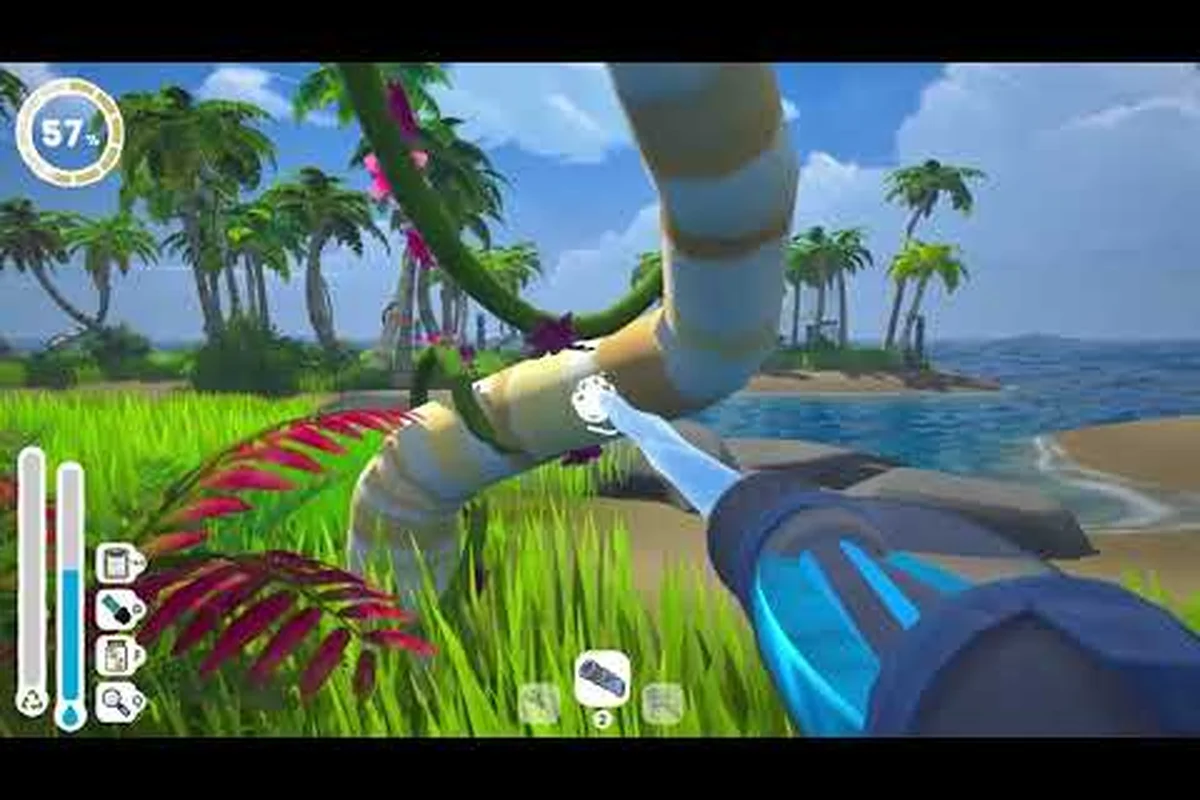
In Island Restoration, every island you sail toward is a clock quietly ticking against your fuel, your patience, and your supply of side contracts. The skill tree, the new tools you earn along the way, and the regions you gradually open all feed into one central lever: how fast you can strip grime, oil, vines, and mud from the shore before the next map pulls you away. The Island Restoration speed upgrade path is the single most efficient way to make every cleaning session feel shorter, smoother, and far more satisfying.
The cleaner you move, the more contracts you finish, the more skill points you bank for the next round of upgrades. That is why a focused speed build matters more than a "take everything" approach, and why this guide walks you through the upgrade path from Tropical Isles all the way to your fourth biome.
How the Speed Upgrade Path Works in Island Restoration
The Island Restoration upgrade system is built around a full skill tree that branches into efficiency, reach, durability, and aesthetic rewards. According to the official Island Restoration on Steam store page, the game ships with six unlockable cleaning tools and a complete upgrade skill tree that ties tool behavior directly to how quickly you clear each map. Speed sits at the heart of that tree because faster cleaning compounds into more contracts, more points, and earlier access to tougher biomes.
What "Speed" Actually Means in the Skill Tree
When the skill tree talks about speed, it means a bundle of related effects rather than a single stat. Picking up speed nodes typically reduces the time it takes to complete a cleaning action on a tile, lowers the stamina or cooldowns between bursts, and improves how far a tool's hit reaches per swing. These three together determine how many tiles you clear per minute, which is the real metric every speed-focused player should track.
| Speed Effect | What It Changes | Where You Feel It First |
|---|---|---|
| Cleaning Tick Rate | How fast a single tile is cleared | Scrapers and brushes on Tropical Isles |
| Tool Reach | Radius of each pass | Pressure washer and grabber on long oil slicks |
| Stamina Regen | Time between heavy bursts | Mud patches and thick vine clusters |
| Throw Distance | How far you can toss debris | Garbage-heavy Rockfall Shores contracts |
Why Speed Upgrades Compound So Quickly
A single +10% cleaning speed node feels small in isolation, but the skill tree in Island Restoration lets you stack similar nodes across multiple branches. By the time you finish the first region, a focused build can hit 40-60% faster tile clearing compared to a player who spreads points evenly. That is the difference between finishing a map in twelve minutes instead of twenty, and the contracts payout scales the same either way, which means faster runs equal more skill points per hour.
Players who tested the updated demo, as reported in the official demo overhaul announcement, confirmed that investing early into cleaning speed made the rest of the skill tree feel noticeably smoother, especially when tougher environmental hazards started appearing.
Tool Upgrades and New Cleaning Tools
Speed upgrades are only half the equation. The other half is making sure you have the right tool for the mess, because a fast scraper on an oil slick is still slower than a properly upgraded pressure washer. According to the developer, six tools ship at launch, each with its own upgrade path, and learning when to switch between them is a large part of running an efficient restoration loop. If you want a deeper breakdown of swing arcs, cooldowns, and stamina costs, the tool mechanics explained guide covers each one in detail.
Tools and Their Speed Role
| Tool | Primary Use | Speed Upgrade Synergy |
|---|---|---|
| Scraper | Paint, tar, and stuck debris | Highest base cleaning tick rate, scales best with reach nodes |
| Brush | Loose sand, light grime, animal care | Low stamina cost, ideal for stamina-regen nodes |
| Pressure Washer | Oil spills and chemical stains | Wide reach, benefits most from radius upgrades |
| Grabber | Loose trash and floating debris | Throw distance upgrades turn it into a top-tier cleanup tool |
| Shovel | Mud, sludge, and thick soil | Slow base speed but huge per-tile gains from upgrade nodes |
| Net | Marine debris and rescue support | Light cleaning contribution, mostly utility |
Unlocking New Tools Through the Skill Tree
Every new tool in Island Restoration is gated behind a region progression check plus a small skill point investment, rather than being handed to you at the dock. The order in which you unlock them matters because each one opens a faster way to clear a specific mess type, which then frees your most-used tool for harder jobs. This is where the speed upgrade path turns from a passive boost into an active decision tree.
| Unlock Order | Tool | Approx. Skill Cost | Immediate Speed Benefit |
|---|---|---|---|
| 1 | Scraper | Starting tool | Baseline cleaning speed reference |
| 2 | Brush | Low | Faster animal-area cleanup |
| 3 | Pressure Washer | Medium | Massive boost on oil-based contracts |
| 4 | Grabber | Medium | Quick garbage collection on Rockfall maps |
| 5 | Shovel | High | Cuts mud-clear time by 30-50% |
| 6 | Net | High | Specialty role, modest speed contribution |
Efficiency Upgrades and the Skill Tree Branches
The skill tree is not a single vertical line. It branches into several distinct paths, and the speed-focused branches interact with the tool-unlock nodes in ways that reward planning. Most players who skip a plan and spend points "as they go" end up regretting it by biome three, when the slowdown on tougher environmental hazards hits them without enough cleaning speed to compensate. If you want to know the common traps to avoid, the skill tree mistakes guide breaks down where players usually burn points they cannot refund.
Core Efficiency Branches
| Branch | Primary Effect | Best For |
|---|---|---|
| Cleaning Speed | Reduces tile clear time | All-around fastest builds |
| Tool Reach | Larger radius per swing | Open biomes with wide debris fields |
| Stamina Economy | Faster regen, lower cost | Long sessions and side contracts |
| Tool Unlock | New gear access | Players behind on tool progression |
| Cosmetic | Boat and character skins | No direct speed effect |
Early, Mid, and Late Priority Picks
A balanced rule of thumb is to spend your first six points on cleaning speed and tool reach, your next six on stamina economy and your second tool unlock, and only after biome two should you start investing into heavy tool-unlock nodes like the Shovel. This pacing keeps you fast while still opening new gear at roughly the same rate as the maps demand it. The trick is that you never want a single branch to starve, because the speed gains from a brand-new Shovel are wasted if your base cleaning speed is still too slow to use it efficiently on the thick mud patches it was designed for.
Unlocking New Regions Through Upgrade Progression
Speed upgrades are also your key to faster biome access, because the game ties region unlocks to a mix of map completion and skill tree milestones. When you finish the Tropical Isles, the next biome does not open until you have cleared a certain number of base upgrades, and pushing through the speed branch early means you hit those milestones weeks before a player who spread points too thin. The order of biomes and what hazards each one adds is covered in the biome hazards guide, which is worth reading alongside this section.
Region Unlock Requirements
| Biome | Approx. Speed-Upgrade Investment | Key Hazard Added |
|---|---|---|
| Tropical Isles | Starter build, low investment | Garbage, light oil, vine clusters |
| Rockfall Shores | 6-8 points into speed | Sharp rocks, heavy trash, slippery surfaces |
| Tidal Reaches | 12-15 points, includes stamina | Salt corrosion, dense mud, longer maps |
| Far Frozen | 18-22 points, full build | Ice patches, frozen sludge, low visibility |
How Upgrade Order Speeds Up Region Access
By prioritizing cleaning speed and tool reach first, you can usually clear Tropical Isles contracts in roughly two-thirds the time of an unoptimized run, which means more skill points banked before you even see the Rockfall Shores dock. That early lead matters because the second biome introduces larger debris fields that punish slow tools, and a player with only a few speed nodes will find themselves constantly backed up on trash piles. If you are deciding whether to push straight to the Shovel unlock or finish your speed branch first, the best build overview gives a strong comparison of meta upgrade orders.
Upgrade Tips and Speed-Build Best Practices
Once you understand the skill tree, the trick is to layer good habits on top of the upgrades so each one pays off more. The fastest players in Island Restoration are not just the ones with the most points in speed, they are the ones who waste the fewest seconds per minute on bad tool swaps, missed reach, and inefficient movement paths.
Habits That Multiply Your Speed Upgrades
-
Match the tool to the mess type first, then to the speed bonus — a fast scraper on oil is still slower than a baseline pressure washer.
-
Sweep in long arcs instead of small circles — upgrade reach scales better when you actually use the larger radius.
-
Bank stamina for the final cleanup pass — finishing a map with a full stamina bar means you skip the slow regen window.
-
Use the Grabber for loose debris only — it is fast on trash, slow on stuck material, and misusing it cancels your speed gains.
-
Pause to read the map before starting — the randomizer can drop high-density hazards in awkward spots, and route planning saves more time than any single node.
Mistakes That Quietly Cancel Your Speed Build
| Mistake | Why It Hurts | Quick Fix |
|---|---|---|
| Spreading points across all branches | No branch reaches critical mass | Focus 70% of early points on speed + reach |
| Ignoring stamina economy | You run dry mid-map and wait to regen | Drop 2-3 points into stamina after biome 1 |
| Skipping tool upgrades for cosmetics | You clear slower with the same hands-on time | Save cosmetics for late-game spending |
| Hoarding points for a "perfect" build | You fall behind the region unlock curve | Spend within 1-2 maps of earning them |
| Forgetting the Shovel unlock | Mud patches eat minutes without it | Unlock Shovel by the start of biome 3 |
For a more comprehensive walkthrough of when to spend, when to save, and which nodes are worth the long-term investment, the complete upgrade guide maps the full skill tree in order. Combining that roadmap with the speed-first priorities above is the cleanest way to keep your cleaning sessions short and your contract payouts flowing.
Frequently Asked Questions
What is the fastest way to boost Island Restoration cleaning speed early on?
The fastest way to boost your Island Restoration speed upgrade is to spend your first six points into the cleaning speed and tool reach branches before touching any cosmetic or boat nodes. Early reach and tick-rate nodes compound fastest because every tool benefits from them, and they let you clear Tropical Isles contracts in roughly two-thirds the time of a spread build.
Do I need to unlock every tool to get the best speed upgrade path?
You do not need every tool on day one, but you should plan to unlock at least the Scraper, Pressure Washer, and Shovel by the end of biome two. The Shovel in particular delivers one of the largest single-tool speed jumps in the tree, and skipping it makes every mud patch after Rockfall Shores feel like a wall.
How do efficiency upgrades affect side contracts in Island Restoration?
Efficiency upgrades in Island Restoration shrink the time it takes to clear a contract map, which means you can finish more side jobs per session and bank the bonus skill points faster. The cleanest way to leverage this is to stack stamina economy with cleaning speed so you never stall in the middle of a high-density run, which is a strategy the developer previewed during the demo overhaul update and players confirmed works well at launch.
Can I unlock new regions just by upgrading my speed path?
Yes, region unlocks in Island Restoration are tied to a mix of map completion and skill tree milestones, and pushing the speed branch early helps you hit those milestones before tougher biomes open. The build order in the upgrade tips section keeps you ahead of the curve so you are never waiting on a single branch to catch up.